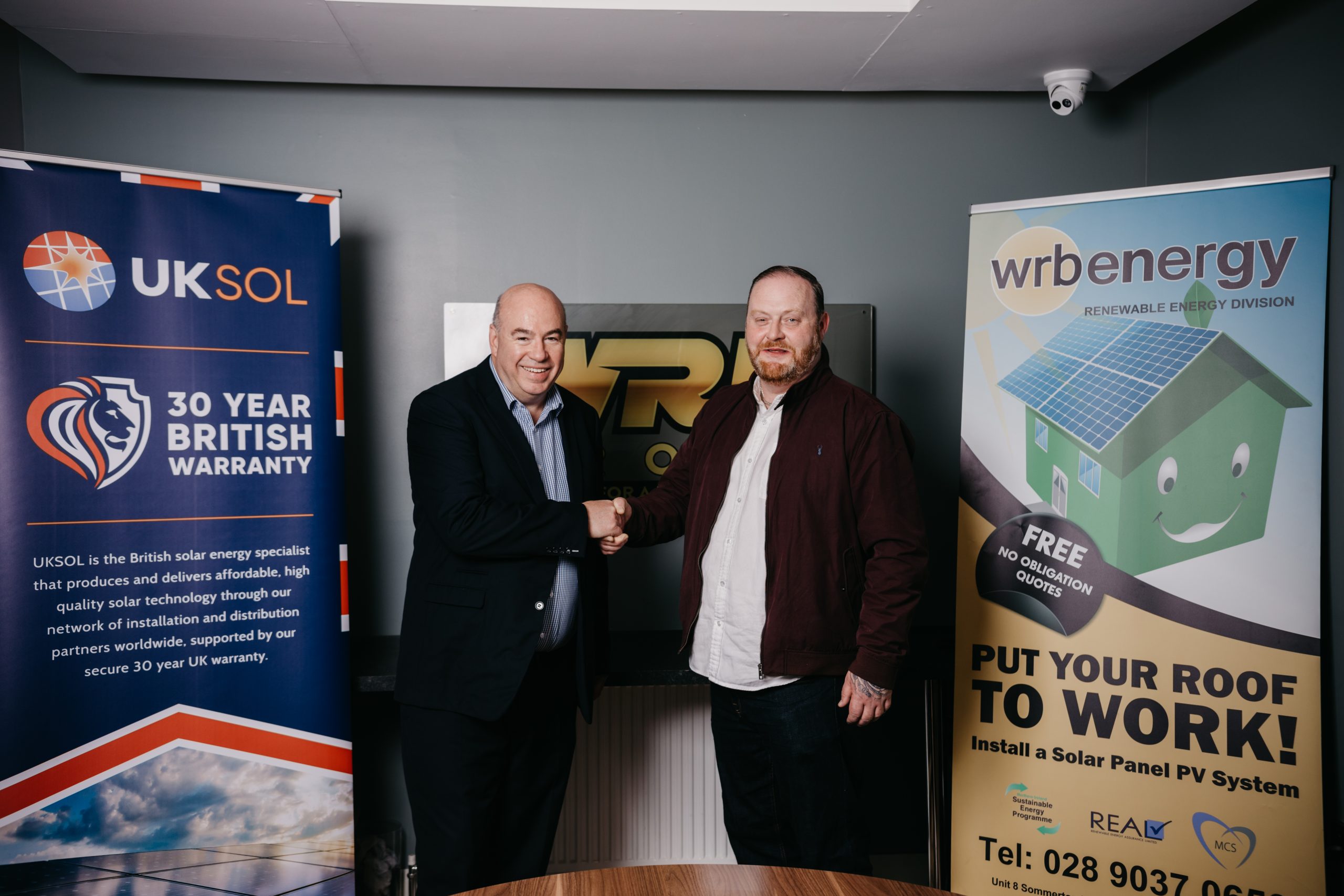

WRB partners with industry leaders to deliver the best solar technology
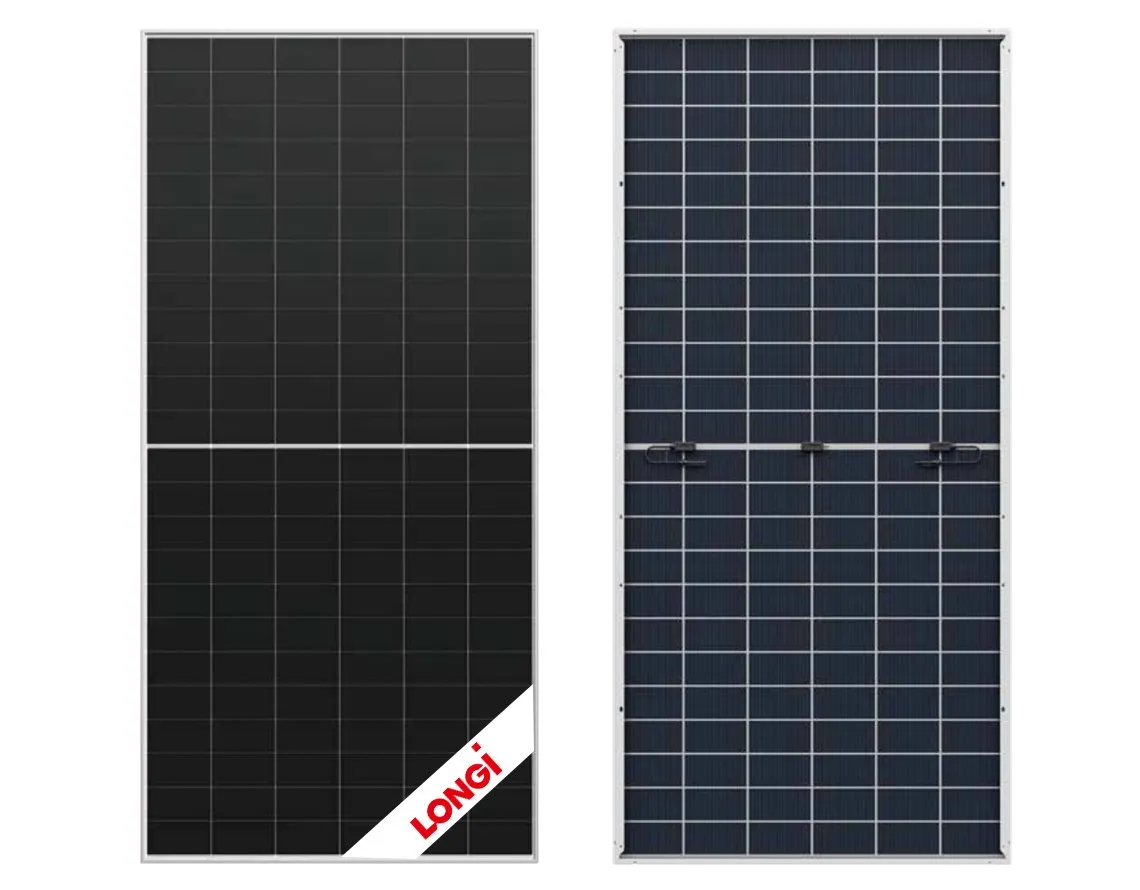
LONGi Hi-MO 5 500W Panel
A powerful bifacial module delivering superior yield for large-scale commercial and industrial installations.
2094 × 1038 × 35 mm
27.5 kg
1500 V
Bifacial mono PERC
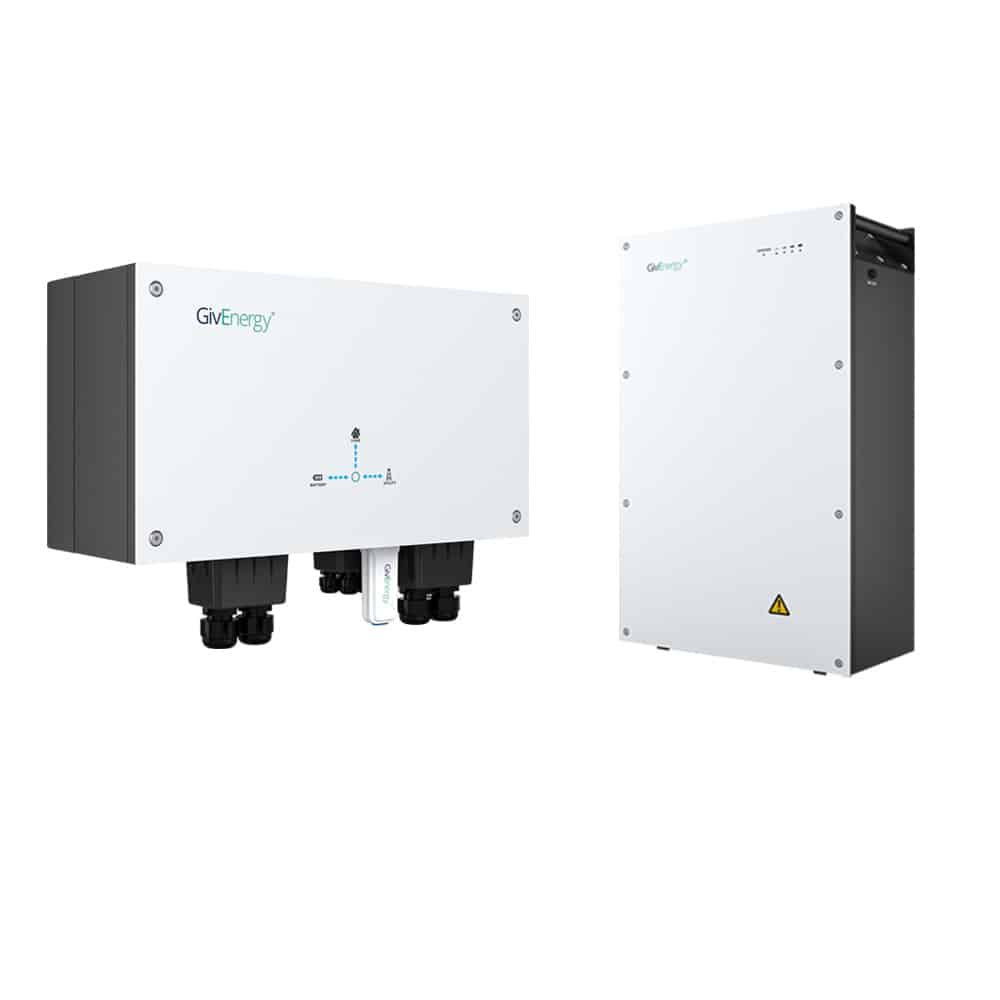
GivEnergy 9.5kWh Battery
An intelligent lithium battery providing reliable energy storage, allowing homes and businesses to reduce reliance on grid power.
9.5 kWh
51.2 V
-10°C to +55°C
CAN / RS485
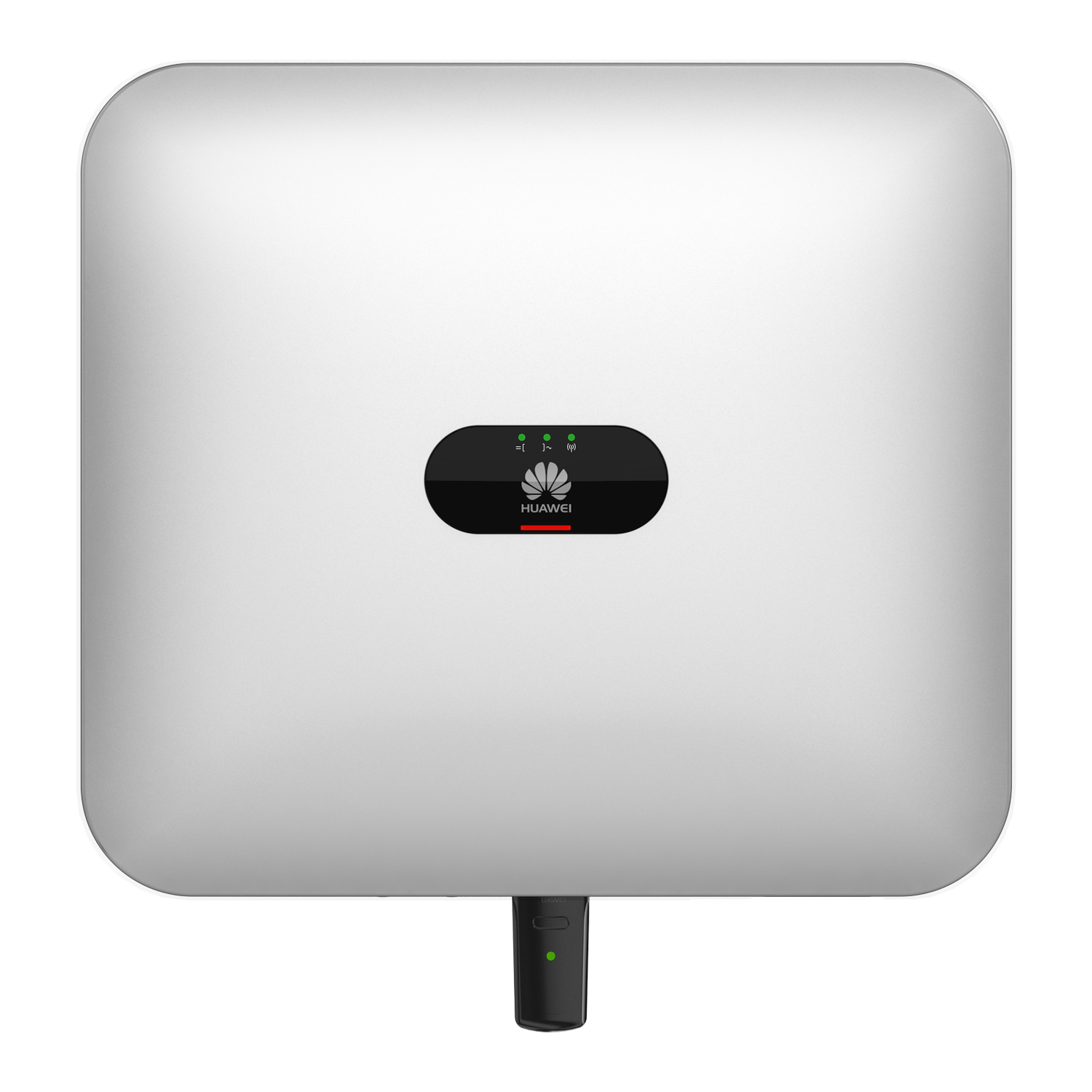
Huawei SUN2000-10KTL-M1 Inverter
A high-performance hybrid inverter designed for residential and small commercial solar systems, supporting both PV input and battery storage.
1100 V
140–980 V
17 kg
RS485 / WLAN / Ethernet
< 29 dB
Trina Solar Vertex S+ 450W Panel
High-efficiency half-cut monocrystalline solar panel with a compact design, ideal for residential rooftops and small commercial installations.
1762 × 1134 × 30 mm
21.0 kg
1500 V
0~+5W
MC4 compatible
Heading here
These panels are European made and come with a 30-year Performance Warranty. They are the latest half cell technology. Implementing half-cut cells in solar panels can help improve the power output of a solar panel system. Half-cut solar cells are exactly what their name suggests – they are traditional silicon solar cells that have been cut in half using a laser cutter.
Durability
Since the cells are physically smaller, they are more averse to cracking.
Lower resistive losses
A half-cut cell carries half the current and a quarter of the resistance of a full cell. So a complete half-cell module has the same current but half the resistance of a regular module. Resistance = wasted power, meaning a half cell solar panel can boost output by around 3%.
Shade resistance
A regular panel is made up of 3 rows of cells connected in series with bypass diodes. If one cell is shaded, a third of the panel’s output can be lost. But in a half-cut panel, there are 6 rows of cells. So, if one of the cells is shaded, only a sixth of the output is lost.
Less chance of hotspots
With a lower current in each cell, there’s less heat concentration.
Reduced installation area
Roof space can be saved using half cell technology.